
What Is the Longest-Lasting Water Softener?
Kinetico and Culligan water softeners are widely regarded as long-lasting options when properly sized, professionally installed, and regularly maintained. However, no single brand is automatically the longest-lasting for every home. The system’s model, construction, capacity, water hardness, household demand, installation quality, and maintenance history all influence how long it performs reliably.
Which Water Softener Brands Are Known for Longevity?
Kinetico and Culligan are commonly associated with durable water softening systems. Both manufacturers offer multiple models, so longevity can vary between systems from the same brand. Comparing brand names alone may not reveal which water softener will provide the longest service life in a particular home.
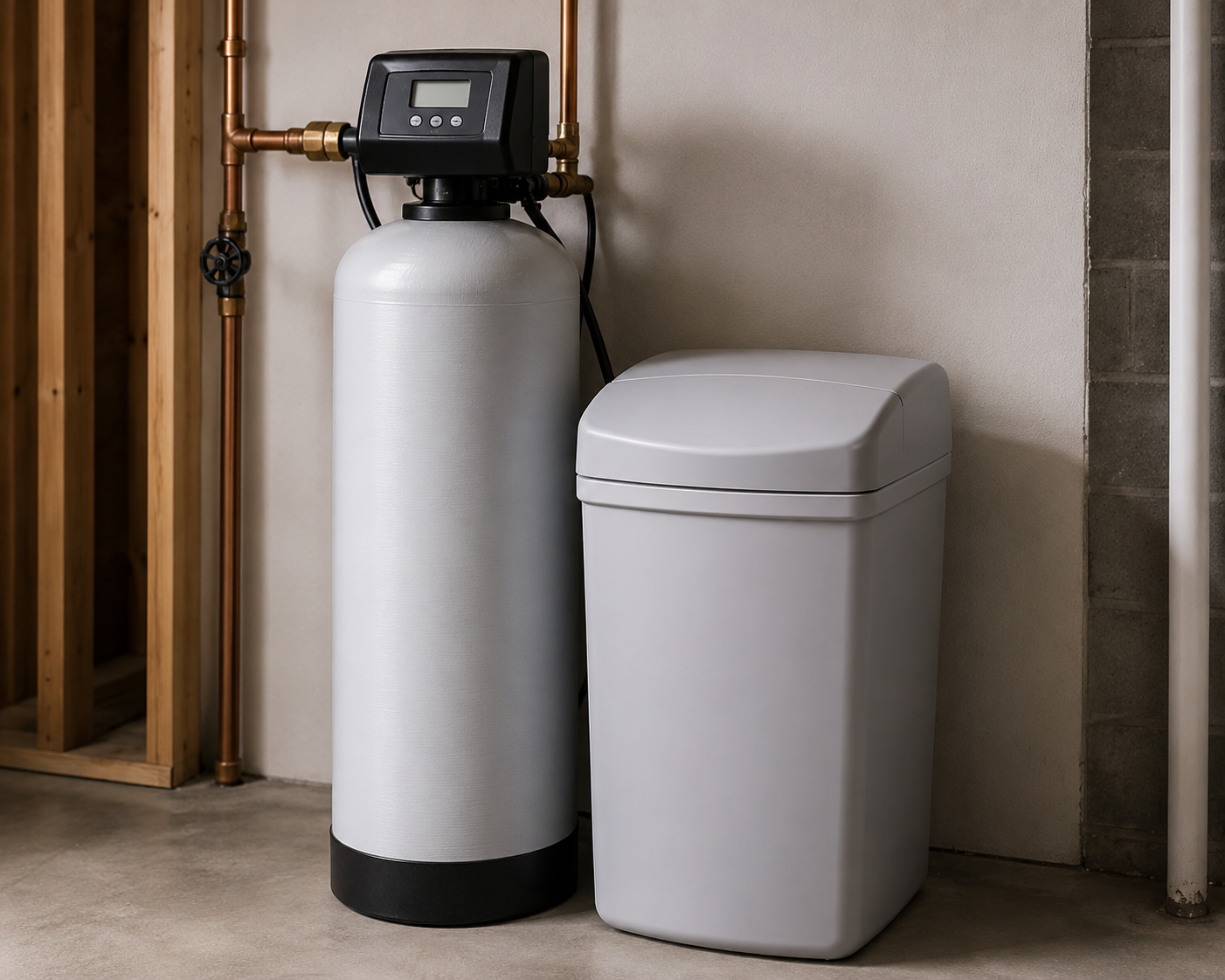
Kinetico systems are often recognized for their non-electric operation and twin-tank configurations. Depending on the model, a twin-tank system can provide softened water while the other tank regenerates. Culligan also offers several water softener configurations, including high-efficiency and twin-tank models designed for different household needs and water conditions.
A well-known brand can be a useful starting point, but the longest-lasting water softener is ultimately one that is appropriate for the home. A durable system can still experience premature wear when it is undersized, poorly installed, exposed to challenging water conditions, or neglected after installation.
What Factors Determine How Long a Water Softener Lasts?
Several connected factors affect the working life of a water softener. Understanding them makes it easier to compare systems based on suitability instead of relying only on a manufacturer’s name.
System Size and Household Water Use
A water softener must have enough capacity to handle the household’s water usage and hardness level. An undersized unit may regenerate more frequently because it reaches its capacity too quickly. This additional operating demand can place unnecessary wear on components.
An oversized system is not automatically the best choice either. Proper sizing should account for the number of people in the home, typical water consumption, hardness concentration, and the system’s rated capacity.
Local Water Conditions
Water hardness is especially important in the Phoenix Valley, where mineral-rich water can create noticeable scale throughout a home. A softener must be selected and configured to manage the actual conditions at the property.
Water may also contain sediment, chlorine, iron, or other substances that affect system components or the resin bed. Testing the water helps determine whether a standard softener is sufficient or whether additional water treatment services, such as whole house filtration, should be considered.
Installation Quality
Correct installation supports consistent flow, drainage, regeneration, and system operation. Improper plumbing connections, incorrect settings, poor drainage, or unsuitable placement can reduce performance and contribute to avoidable problems.
The installer should also program the softener according to the home’s hardness level and water demand. Default settings may not match the property’s actual needs, especially when local water conditions vary.
Maintenance History
Even a durable water softener needs routine attention. Salt levels should be monitored, salt bridging should be addressed, and the brine tank should remain in suitable condition. Changes in water quality, pressure, regeneration frequency, or salt usage can indicate that the system needs evaluation.
Maintenance requirements differ by model. Following the manufacturer’s instructions and addressing minor concerns promptly may help prevent unnecessary strain on valves, seals, controls, and other working parts.
How Can You Choose a Durable Water Softener?
The longest-lasting option for a specific home is usually a well-constructed system that matches the property’s water chemistry and daily demand. Before selecting a unit, consider:
- The measured hardness of the incoming water
- Household size and average water consumption
- The softener’s capacity and regeneration method
- Available installation space and drainage
- Whether sediment or other water-quality concerns require filtration
- Maintenance requirements and access to replacement parts
- The warranty terms for the tank, valve, controls, and other components
Homeowners in the Phoenix Valley should begin with water testing rather than choosing a system based entirely on online comparisons. Testing provides the information needed to determine system capacity and whether the water has additional characteristics that could affect long-term operation.
It is also helpful to compare individual models within each brand. Kinetico and Culligan both offer different configurations, features, and capacities. The most durable choice for a smaller household may not be suitable for a larger property with heavier water use.
How Can Proper Care Support Water Softener Longevity?
Long-term performance depends on more than the original purchase. Regularly checking the salt supply and observing how the system operates can help identify developing issues.
Use the type of salt recommended for the unit, and avoid allowing the brine tank to remain empty for extended periods. If salt forms a hardened bridge, the system may appear full even though it cannot produce the brine needed for regeneration.
Homeowners should also watch for renewed scale, soap that no longer lathers normally, unusual water texture, changes in pressure, or unexpected salt consumption. These signs do not necessarily mean the entire softener requires replacement. They may point to incorrect settings, depleted resin, a blocked injector, a valve problem, or another serviceable condition.
FAQ
Does a more expensive water softener always last longer?
No. Price alone does not determine longevity. Correct sizing, construction quality, water conditions, installation, maintenance, and the availability of serviceable parts are more meaningful considerations.
Can hard water shorten a water softener’s life?
High hardness increases the amount of mineral capacity the system must manage. Proper sizing and programming help the softener regenerate appropriately for the home’s actual water conditions.
How do I know when my water softener needs service?
Possible signs include renewed scale, changes in water feel, unusual salt consumption, reduced pressure, or regeneration problems. A professional evaluation can identify the specific cause.
Should I choose a twin-tank water softener?
A twin-tank model may suit homes needing a continuous supply of softened water. Whether it is appropriate depends on household demand, water hardness, available space, and system design.
What Is the Longest-Lasting Water Softener?
Kinetico and Culligan water softeners are widely regarded as long-lasting options when properly sized, installed, and maintained. However, longevity depends on the specific model, water hardness, household usage, and maintenance history. For homes in the Phoenix Valley, choosing a durable system suited to local water conditions can support reliable long-term performance.
Conclusion
Kinetico and Culligan are both known for long-lasting water softeners, but the best choice depends on the individual model and how well it fits the home. Appropriate sizing, accurate settings, professional installation, local water conditions, and consistent maintenance all contribute to reliable performance.