
Is It Safe to Shower in Water That Contains Radon?
Showering in water that contains radon may pose a health risk because radon gas can be released into the air and inhaled during normal household water use. The inhalation risk is generally greater than the ingestion risk. In Mesa, Arizona, homeowners with private wells may benefit from testing both their water and indoor air if radon is a concern.
How Does Radon Enter the Air During Showering?
Radon is a naturally occurring radioactive gas that can dissolve into groundwater. When water containing radon is used for showering, bathing, washing dishes, or doing laundry, some of the dissolved gas can escape into the indoor air. This means that the greatest concern is often breathing the released radon rather than swallowing the water itself.
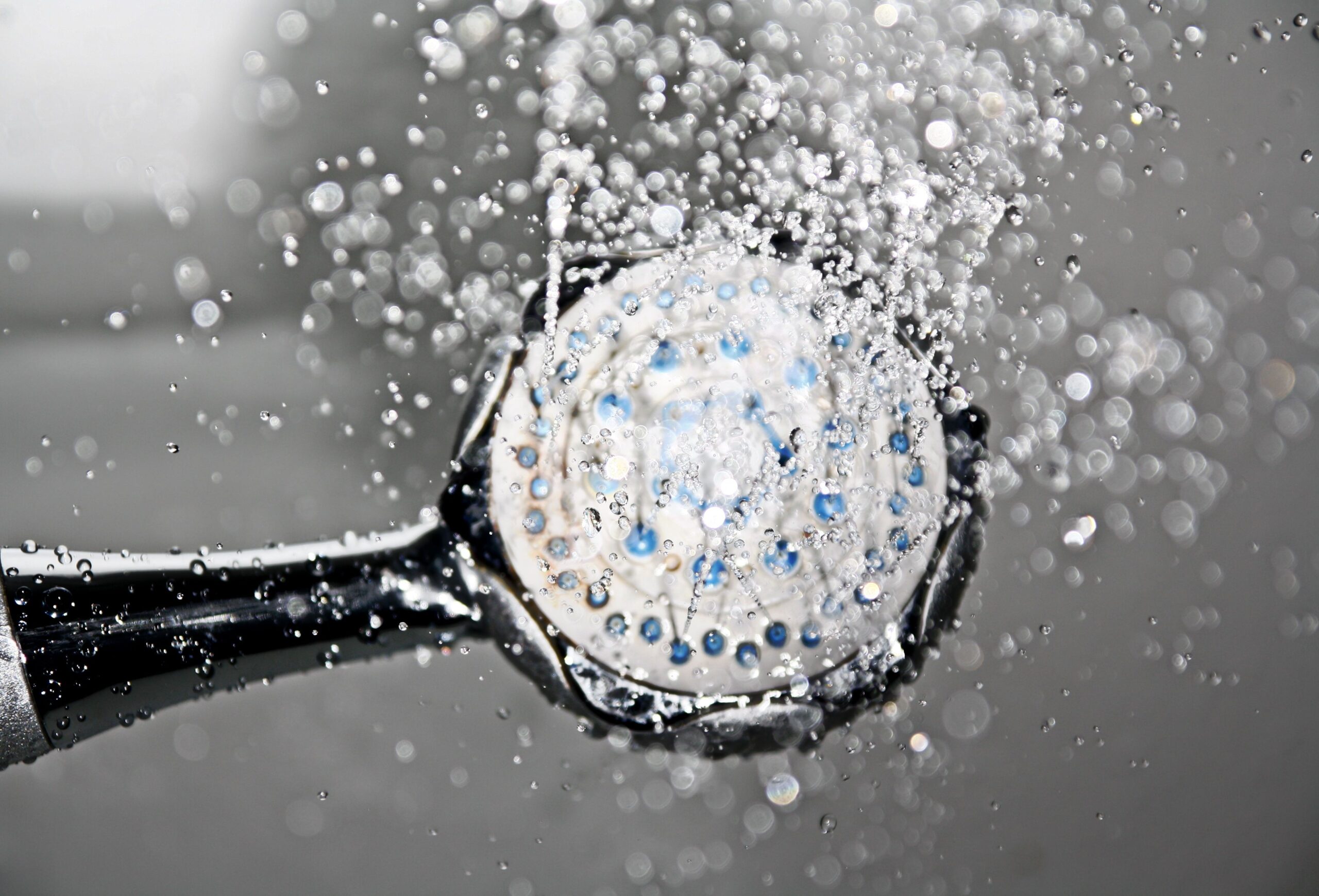
As warm water flows through a shower, tiny droplets and steam can help release radon gas into the surrounding air. If a home has elevated radon levels in its water supply, repeated exposure to airborne radon may increase the amount of radon present indoors. This is why inhalation is generally considered the greater concern compared to ingestion.
Why Is Testing Important for Private Well Owners?
Homes served by private wells are more likely to benefit from water testing because well water is not typically monitored in the same way as many public water systems. If radon is suspected, testing can determine whether it is present in the water supply and whether additional indoor air testing is appropriate.
For homeowners in Mesa, Arizona, understanding the source of household water is an important first step. If your home relies on a private well, professional testing can provide useful information about water quality and help determine whether further evaluation is needed.
Testing both the water and indoor air provides a more complete picture of potential radon exposure. Since radon can enter a home from both the soil and the water supply, evaluating both sources helps identify where any concerns may originate.
What Should Homeowners Do If Radon Is Found in Water?
If testing identifies radon in household water, the next step is to discuss the results with a qualified water treatment professional. They can explain the findings and recommend appropriate treatment options based on your home’s water source and overall water quality.
Water treatment systems designed for specific contaminants may help reduce radon levels before the water enters the home. Selecting the right solution depends on the test results and the characteristics of the individual property.
Homeowners in Maricopa County and throughout Mesa, Arizona often choose to test their water when they have concerns about overall water quality or when their home uses a private well. Taking this proactive approach can help provide a better understanding of the water entering the home.
When Should You Consider Water Quality Testing?
Water quality testing can be beneficial whenever there is uncertainty about what is present in your household water. While radon is not a concern for every property, testing can help determine whether additional action is appropriate.
You may consider testing if:
- Your home is supplied by a private well.
- You have questions about the quality of your household water.
- You want to better understand potential indoor air concerns related to your water supply.
- You are evaluating treatment options for your home’s water.
Although showering in water containing radon may present a health risk due to airborne exposure, only proper testing can determine whether radon is present and whether treatment should be considered.
FAQ
Can radon in water affect indoor air quality?
Yes. Radon dissolved in water can be released into the air during everyday activities such as showering, bathing, and washing clothes, making inhalation the primary concern.
Is swallowing water with radon as concerning as breathing it?
Generally, inhaling radon released into indoor air is considered a greater concern than ingesting radon through drinking water.
Do all homes need radon water testing?
Not necessarily. Testing is often most relevant for homes with private wells or properties where radon is already a known concern.
Can water treatment help reduce radon in water?
Yes. Certain water treatment systems are designed to reduce radon in water, but the appropriate solution depends on professional testing and your home’s specific water conditions.
FAQ: https://mfwater.com/faq/#is-it-safe-to-shower-in-water-that-contains-radon
Conclusion
Showering in water that contains radon may pose a health risk because radon gas can be released into the air and inhaled during everyday household use. Since inhalation is generally considered the greater concern, testing both water and indoor air can help homeowners better understand potential exposure and determine whether treatment is appropriate.