
Is reverse osmosis safer than bottled water?
For most households, properly maintained reverse osmosis water can be safer than bottled water because the system filters a broad range of contaminants and avoids exposure associated with single-use plastic bottles. In The Phoenix Valley, professional water testing and correct system maintenance can help determine whether reverse osmosis is appropriate for a home’s water.
Why Can Reverse Osmosis Water Be Safer Than Bottled Water?
Reverse osmosis uses a semipermeable membrane and several filtration stages to reduce substances that may be present in drinking water. Depending on the system and filter configuration, these substances may include dissolved solids, sediment, chlorine, and certain other contaminants.
Most residential reverse osmosis systems include sediment and carbon prefilters before water reaches the membrane. These filters protect the membrane and address particles, chlorine, and compounds that may affect taste or odor. A final carbon filter may further improve the water before it reaches the drinking faucet.
This controlled filtration process is one reason reverse osmosis can be a safer and more dependable choice than bottled water for many households. However, performance depends on proper installation, regular filter changes, membrane condition, and the specific contaminants found in the incoming water.
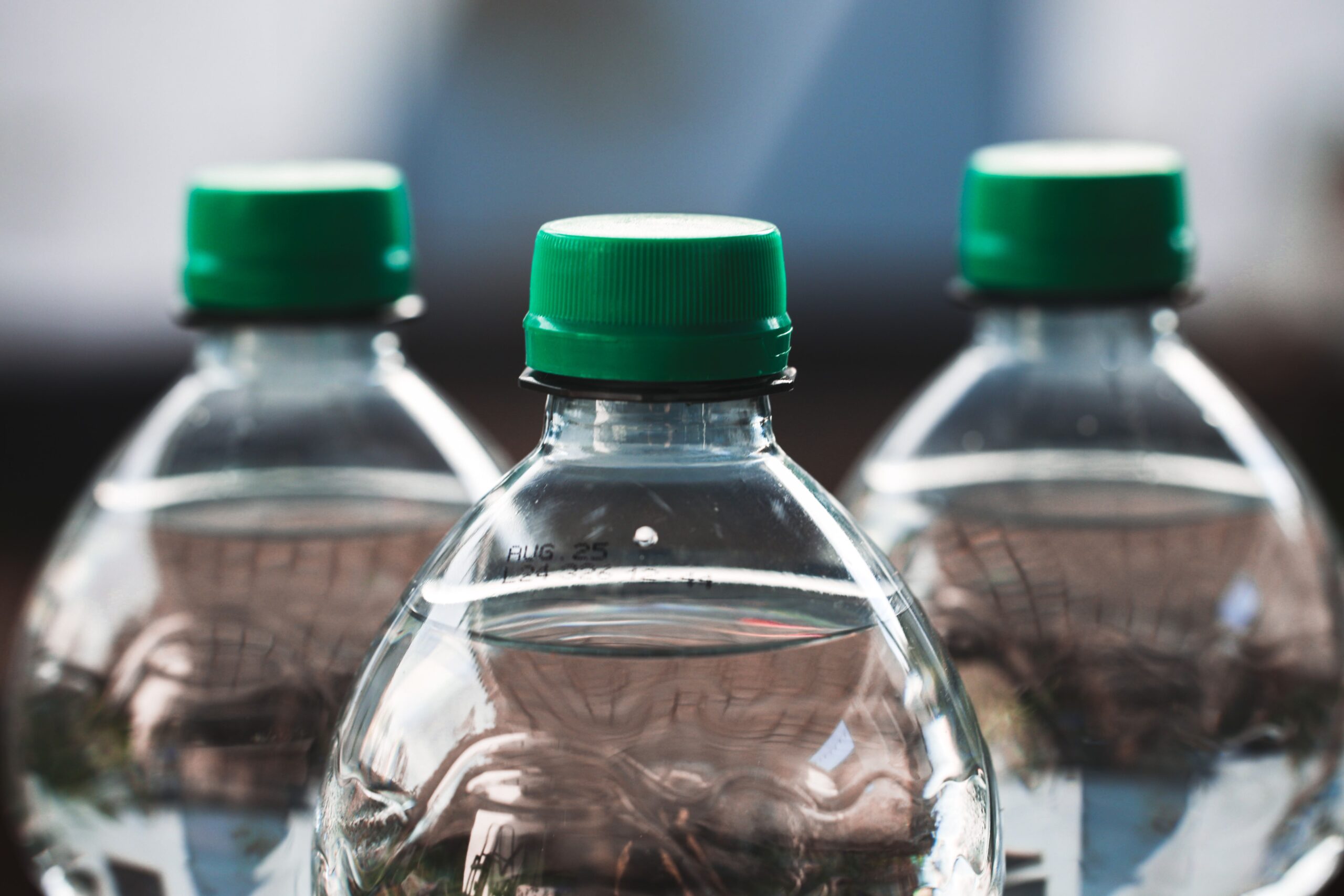
Bottled water can also be safe to drink, but its source and treatment method vary by brand. Some bottled water is purified municipal water, while other products come from springs or different sources. Packaging, transportation, storage conditions, and prolonged contact with plastic are additional factors that do not apply in the same way to freshly filtered water from a home system.
Does Bottled Water Always Provide Better Water Quality?
Bottled water does not automatically provide better quality than water treated by a properly maintained reverse osmosis system. The appearance of a sealed bottle may create a sense of consistency, but bottled products can differ in their source, mineral content, filtration process, and taste.
Consumers may also have limited information about how long bottles were stored or whether they were exposed to high temperatures during transportation. Plastic packaging can create concerns for people who want to reduce their reliance on single-use bottles or minimize extended water contact with plastic.
Reverse osmosis gives households more direct control over their drinking water treatment. Water is filtered at the point of use, usually at a dedicated kitchen faucet, and is available for drinking and cooking without the need to store cases of bottled water. The system’s condition can also be monitored through scheduled maintenance and periodic water testing.
For households in The Phoenix Valley, the most useful comparison is not simply filtered water versus bottled water. It is whether a particular reverse osmosis system is designed and maintained to address the characteristics of the home’s water supply.
How Do Water Testing and System Maintenance Affect Safety?
Professional water testing can identify the characteristics of a home’s water and help determine which treatment method is appropriate. It also prevents homeowners from choosing a system based only on taste, appearance, or general assumptions about local water.
Testing is especially helpful because no single treatment system addresses every possible water-quality concern. A reverse osmosis unit is commonly used for drinking and cooking water, but a household may need a different or additional treatment method depending on its test results and broader goals.
Correct maintenance is equally important. An unattended system may experience reduced water production, changes in taste, or declining filtration performance. Maintenance commonly involves replacing prefilters and postfilters according to the system’s requirements, inspecting connections, sanitizing appropriate components, and evaluating membrane performance.
A professionally installed system should also be sized and configured for the household’s expected use. Proper setup helps maintain suitable pressure, consistent operation, and reliable filtration. For homeowners throughout Maricopa County, combining water testing with professional reverse osmosis installation provides a more informed approach than assuming every system will perform the same way.
Is Reverse Osmosis the Right Alternative to Bottled Water?
For many households, reverse osmosis is a practical alternative because it produces filtered drinking water on demand and reduces dependence on disposable bottles. It may also improve the taste and odor of water by reducing substances that affect these qualities.
The right choice still depends on the home’s incoming water, treatment goals, available space, and ability to maintain the equipment. A household mainly concerned about drinking and cooking water may benefit from an under-sink reverse osmosis unit. Broader concerns affecting water throughout the home may require whole house filtration, a water softener, or another treatment configuration.
Rather than treating reverse osmosis as a universal solution, homeowners should view it as one option within a complete water-quality plan. Testing provides the information needed to select a suitable system and avoid relying on assumptions about either tap water or bottled water.
FAQ
Does reverse osmosis remove every contaminant from water?
No filtration method removes every possible contaminant. Reverse osmosis reduces many dissolved substances, but professional testing can help determine whether additional treatment is appropriate.
Is bottled water always free from contaminants?
No. Bottled water quality varies according to its source, treatment process, packaging, and storage conditions. A sealed bottle does not automatically mean the water is superior.
How often should a reverse osmosis system be maintained?
Maintenance frequency depends on the system, water usage, and incoming water quality. Filters and membranes should be inspected and replaced according to the equipment’s requirements.
Should water be tested before installing reverse osmosis?
Yes. Water testing helps identify treatment needs and determines whether reverse osmosis alone or a combination of water treatment services is more appropriate.
Is reverse osmosis safer than bottled water?
For most households, properly maintained reverse osmosis water can be safer than bottled water because the system filters a broad range of contaminants and avoids exposure associated with single-use plastic bottles. In The Phoenix Valley, professional water testing and correct system maintenance can help determine whether reverse osmosis is the right choice for your water.
Conclusion
For most households, a properly installed and maintained reverse osmosis system can provide a safer, more controllable alternative to bottled water. Its effectiveness depends on the home’s water quality, system design, filter condition, and ongoing maintenance.