

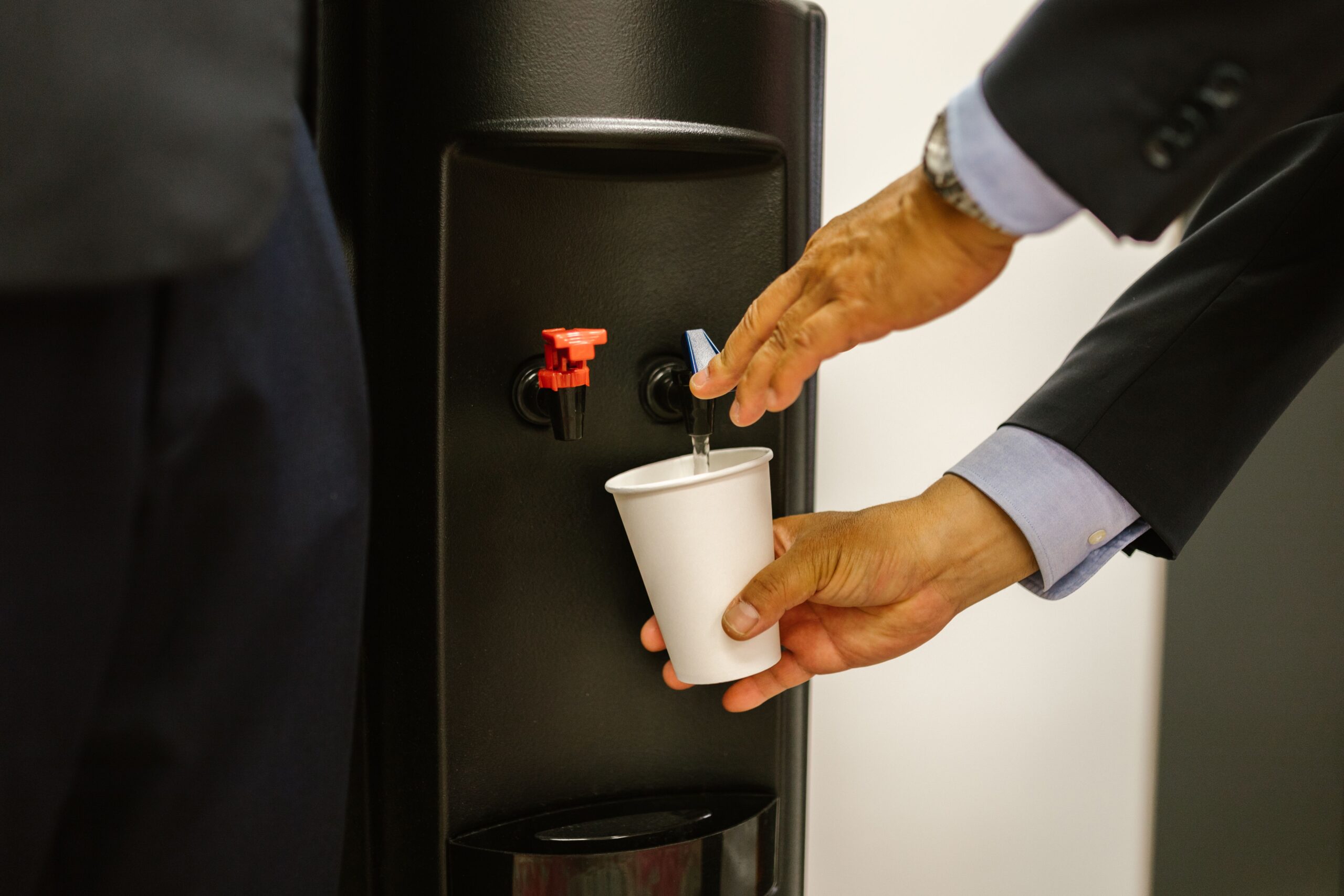
Do Water Dispensers Get Moldy?
Yes, water dispensers can develop mold because they provide a consistently damp environment where moisture can collect. Regular cleaning and maintenance help prevent mold from forming around internal components and dispensing areas. In The Phoenix Valley, following the manufacturer’s recommended cleaning schedule helps keep drinking water systems sanitary.
Why Water Dispensers Can Develop Mold
Water dispensers are designed to store and dispense clean drinking water, but they also contain areas where moisture is constantly present. Any environment that remains damp for extended periods can allow mold to develop if it is not cleaned regularly.
Moisture may collect around dispensing nozzles, drip trays, reservoirs, seals, and other internal components. Even though the water itself is intended for drinking, these areas can accumulate residue over time if routine maintenance is overlooked.
Mold growth is not always immediately visible. It may begin in areas that are difficult to inspect, making regular cleaning an important part of maintaining a sanitary drinking water system.
How Regular Cleaning Helps Prevent Mold
The most effective way to reduce the risk of mold is to clean the water dispenser according to the manufacturer’s recommended maintenance schedule. Routine cleaning removes moisture buildup, residue, and other materials that may contribute to mold growth.
Cleaning often includes:
- Wiping and sanitizing the dispensing area
- Emptying and cleaning the drip tray
- Cleaning removable components
- Inspecting areas where moisture commonly collects
- Following recommended sanitizing procedures before refilling or replacing water
Keeping up with these maintenance tasks helps maintain a cleaner environment inside the dispenser while supporting safe, reliable operation.
Consistent care is generally more effective than waiting until visible mold or odors appear.
Common Areas Where Mold May Form
Although every water dispenser is designed differently, certain locations are more likely to experience moisture buildup than others.
Dispensing Nozzles
The dispensing area is frequently exposed to water and can remain damp after each use. Regular wiping helps reduce lingering moisture.
Drip Trays
Drip trays collect excess water throughout the day. If standing water remains for long periods, it can create conditions that support mold growth.
Internal Reservoirs
Some internal components remain in constant contact with water. Following the manufacturer’s cleaning recommendations helps keep these areas sanitary.
Seals and Small Crevices
Rubber seals, corners, and narrow spaces may trap moisture where it is less noticeable. These areas should not be overlooked during routine maintenance.
Why Routine Maintenance Matters in The Phoenix Valley
In The Phoenix Valley, many homes and businesses rely on water treatment systems and dispensers to provide convenient access to drinking water. Whether a dispenser is used occasionally or throughout the day, regular maintenance helps keep the system clean and operating as intended.
Households and workplaces throughout The Phoenix Valley can benefit from establishing a consistent cleaning routine instead of waiting until visible buildup appears. Following the manufacturer’s maintenance recommendations helps protect the overall cleanliness of the dispenser while supporting better long-term performance.
Routine care also provides an opportunity to inspect components for wear, clean hard-to-reach areas, and ensure the dispenser continues functioning properly.
Signs Your Water Dispenser May Need Cleaning
Even with regular use, there are several indications that it may be time to clean your water dispenser.
Common signs include:
- Visible residue around the dispenser
- Moisture collecting in the drip tray
- Unpleasant odors near the dispensing area
- Dirt or buildup on removable components
- It has been a while since the last recommended cleaning
Addressing these signs early can help prevent additional buildup and keep the dispenser in good condition.
FAQ
How often should a water dispenser be cleaned?
Cleaning frequency depends on the manufacturer’s recommendations and how often the dispenser is used. Following the suggested maintenance schedule helps reduce moisture buildup and maintain sanitary conditions.
Can mold grow inside the dispenser where it cannot be seen?
Yes. Mold can develop in internal components or small spaces where moisture collects, making regular cleaning important even if no mold is visible.
Does replacing the water bottle prevent mold?
No. Replacing the bottle provides fresh water, but the dispenser itself still requires routine cleaning to remove moisture and residue from internal and external components.
Should both homes and businesses clean their water dispensers regularly?
Yes. Any location that regularly uses a water dispenser benefits from consistent cleaning and maintenance to help keep the system sanitary.
FAQ: https://mfwater.com/faq/#do-water-dispensers-get-moldy
Conclusion
Water dispensers can develop mold because they contain areas where moisture is consistently present. Regular cleaning and following the manufacturer’s maintenance recommendations help reduce mold growth and keep drinking water systems sanitary. Routine care is an important part of maintaining a clean and reliable dispenser throughout the Phoenix Valley.